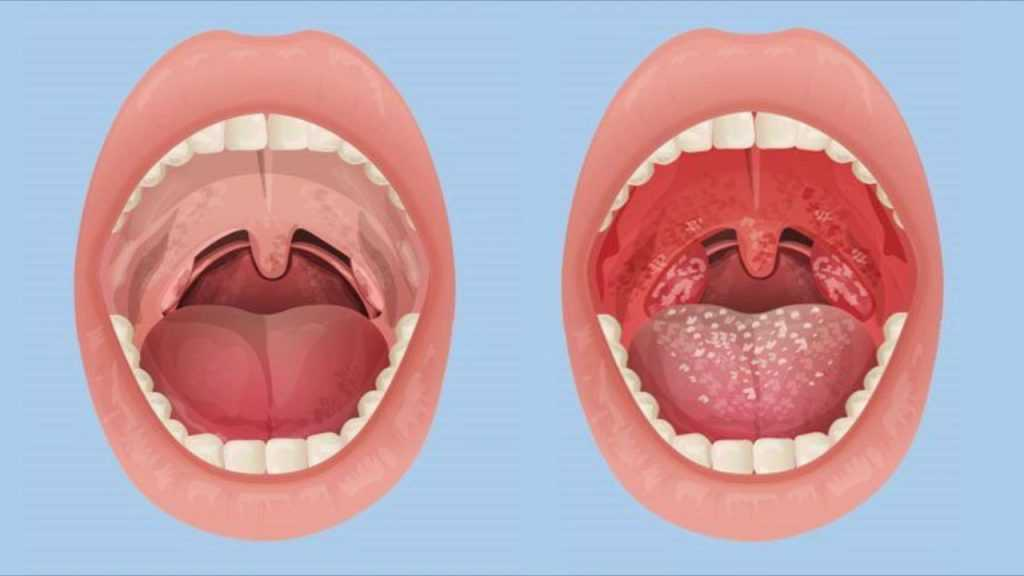
That persistent, nagging tickle, the relentless need to clear your throat, or a soreness that simply won’t resolve—these are the hallmarks of chronic pharyngitis, or chronic throat irritation. For many sufferers, the symptom is frustratingly persistent because the root cause is often misidentified. While acute sore throats are overwhelmingly caused by viral infections (up to 80% of cases), a persistent, long-lasting scratch is almost never a simple infection. Instead, it’s typically a subtle, ongoing chemical or physical irritant. We dive into the four most common non-infectious culprits and offer a clear checklist to help you decode your constant tickle.
1. The Silent Culprit: Laryngopharyngeal Reflux (LPR)
Forget traditional heartburn; LPR is the “silent reflux” that is rapidly gaining recognition as a primary driver of chronic throat symptoms. Unlike Gastroesophageal Reflux Disease (GERD), which causes a burning sensation in the chest, LPR involves stomach acid and digestive enzymes like pepsin traveling all the way up into the delicate tissues of the throat and voice box (larynx). The throat tissue is significantly more sensitive to acid than the lining of the esophagus. Studies suggest LPR is found in up to 20% of patients with chronic cough, and one of its most common presentations is a persistent sensation of a lump in the throat (globus) or excessive throat clearing.
- The Science: The pharynx can be irritated by even tiny amounts of refluxate, sometimes without the classic heartburn symptom. This micro-splash causes constant, low-level chemical damage, leading to inflammation and the chronic tickle sensation. Lifestyle factors like consuming alcohol, caffeine, and fatty or spicy foods, especially before bed, significantly contribute to the frequency of these reflux events.
2. The Post-Nasal Drip Syndrome (PNDS): The Downstream Irritation
Post-Nasal Drip Syndrome, often caused by chronic allergies or sinusitis, is a frequent offender. When the nasal passages produce excessive or thickened mucus—due to triggers like pollen, dust mites, or cold air—this mucus pools and slowly drips down the back of the throat. The constant presence of this drainage acts as a physical irritant to the pharyngeal lining. PNDS is cited as one of the three main causes of chronic cough (along with asthma and GERD), implicated in a substantial proportion of patients who complain of chronic irritation.
- The Data: Symptoms of PNDS include a frequent urge to clear the throat, a wet-sounding cough that is often worse at night, and a feeling of something “stuck” in the throat. This chronic drainage forces the throat to clear itself repeatedly, which only exacerbates the irritation and perpetuates the cycle of the tickle.
3. Environmental Irritants: The Hidden Toxicity
The air you breathe every day might be the source of your chronic throat issue. Exposure to environmental toxins, pollutants, and chemicals can directly irritate and inflame the throat lining. Chronic exposure to secondhand smoke, industrial exhaust, heavily scented cleaning products, or even the persistent inhalation of dry indoor air (especially during winter months) can lead to persistent pharyngitis.
- The Impact: Consistent inhalation of fine particle pollution or dry, unhumidified air causes the throat’s mucous membranes to dry out and become chronically inflamed. For people living in urban or industrial areas, or those who work around fumes or chemicals, this is a significant factor that may be overlooked because the exposure is constant and appears normal. Quitting smoking is often the single most powerful step to resolving this form of irritation.
4. Allergic Rhinitis: The Inflammatory Response
While separate from PNDS, allergic rhinitis (hay fever) is a direct source of throat inflammation. When allergens like mold spores, pet dander, or pollen are inhaled, the immune system releases histamines, which trigger a systemic inflammatory response. This inflammation isn’t confined to the nose; it includes the entire upper respiratory tract, causing throat swelling, dryness, and a persistent itch that feels like a tickle.
- The Differentiation: If your throat symptoms are accompanied by typical allergic indicators—itchy or watery eyes, sneezing, and nasal congestion—your chronic tickle is likely histamine-driven inflammation. Successful management hinges on identifying and mitigating exposure to specific allergens, often requiring the use of antihistamines or nasal steroid sprays to interrupt the inflammatory cascade at its source.
Your Simple Self-Assessment Checklist
To help you gain clarity on the likely cause of your constant tickle, use this simple checklist. Tallying which symptoms are most prevalent can guide your next steps.
| Symptom Profile | Post-Nasal Drip (PNDS) | Reflux (LPR) | Allergies | Environmental |
| Throat clearing (Frequent & persistent) | Yes (Often the most dominant symptom) | Yes (Often sudden/forceful) | Sometimes (Due to drainage) | Sometimes (Due to dryness/irritation) |
| Worse at night/upon waking | Sometimes (When lying down) | Yes (Reflux is often worse when supine) | Often (Especially if indoor allergens are present) | Often (Mouth breathing in dry air) |
| Hoarseness or voice changes | Sometimes | Yes (Acid damages the vocal cords) | Rarely | Sometimes (Due to chronic strain) |
| Symptoms after eating spicy/acidic food | No | Yes (A strong correlation) | No | No |
| Symptoms with itchy eyes/sneezing/runny nose | Yes (The cause of the drainage) | No | Yes (Strong correlation) | No |
| Lump or foreign body sensation (Globus) | Sometimes | Yes (Very common) | Rarely | Rarely |
| Worse after working outside/in dusty environment | Yes | No | Yes (Exposure to pollen/dust) | Yes (Exposure to fumes/smoke) |
Next Steps: Moving from Tickle to Relief
If your checklist results point strongly in one direction, you have valuable information. For example, if you frequently experience throat clearing, globus, and symptoms worsen after large meals, LPR is a strong possibility, and simple dietary and lifestyle changes may bring immediate relief. Conversely, if your tickle aligns with seasonal changes or occurs after exposure to pets, an allergy-focused approach is needed. Regardless of your initial self-assessment, chronic throat irritation is best managed with a professional assessment to rule out less common but serious causes.
Would you like evidence-based recommendations for initial lifestyle adjustments tailored to the most common causes (LPR and PNDS)?